The allure of chance and risk
The thrill of gambling often stems from the allure of chance and the inherent risks associated with it. People are drawn to casino games because they offer the possibility of winning significant amounts of money, often in a relatively short period. This potential for reward triggers a psychological response, drawing players into the excitement of the unknown. The adrenaline rush experienced during play can create a highly engaging and persuasive environment, encouraging individuals to make impulsive decisions. Many gamblers also seek entertainment options, and canada online casinos can provide similar thrills to traditional experiences while emphasizing responsible gaming practices.

Moreover, the concept of risk-taking is deeply embedded in human psychology. Many individuals are predisposed to seek out experiences that challenge their comfort zones. The unpredictable nature of casino games satisfies this drive, making them appealing for those who thrive on excitement. It is this psychological push that often leads players to choose certain games over others, seeking that next big win while grappling with the risks involved. This dynamic can also be seen in individuals exploring new forms of gambling in various online platforms.
Game mechanics and player engagement
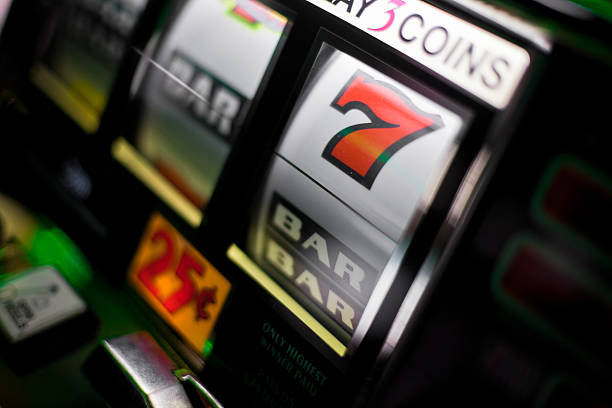
Casino games are meticulously designed to maximize player engagement and retention. The mechanics behind these games—ranging from the simple rules of slot machines to the strategic depths of poker—play a significant role in influencing game choice. For instance, slot machines utilize bright colors, sounds, and animations, creating an immersive experience that keeps players captivated. This sensory stimulation can obscure the reality of losing, contributing to a phenomenon known as the “illusion of control,” where players believe they can influence the outcome.
In addition, the structure of rewards in these games is tailored to maintain a player’s interest. Variable reward schedules, where the timing of wins is unpredictable, can lead to compulsive play as players chase after the next reward. This psychological mechanism feeds into the choice of games, with players often gravitating toward those with the most engaging and rewarding mechanics, even when the odds may not be in their favor.
Cognitive biases and decision-making
Cognitive biases significantly influence choices in casino games, often leading to irrational decision-making. One common bias is the “sunk cost fallacy,” where players continue to gamble on a losing game because they have already invested time or money. This can be compounded by the desire to recover losses, resulting in players making more risk-prone choices. Such biases can distort a player’s judgment, often pushing them toward games that are less favorable.
Another relevant bias is the “gamblers fallacy,” where individuals mistakenly believe that past events influence future outcomes. For example, a player might think that a slot machine is “due” for a payout after a series of losses, leading them to invest more in hopes of a forthcoming win. These cognitive distortions highlight how psychological factors can skew decision-making, affecting the types of games players choose to engage with.
The social aspect of casino gaming
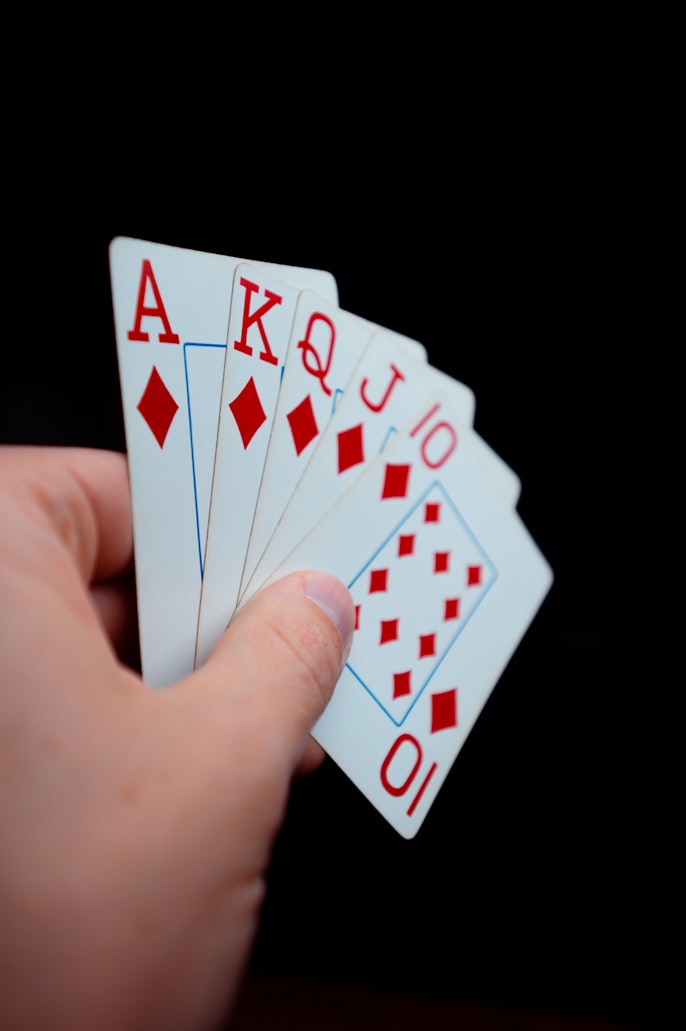
Casinos are not just places of solitary play; they foster a social environment that significantly influences game choices. The interaction with other players can enhance the overall experience, making certain games more appealing. Table games, such as blackjack or poker, encourage participation and socialization, allowing players to enjoy camaraderie while they gamble. This communal aspect can create an emotional connection to the game, impacting a player’s choice and encouraging repeated play.
Additionally, the presence of dealers and casino staff can enhance the gaming experience, making players feel more engaged. The social pressure to conform or to keep up with friends can also lead to the decision to try new games or stick with familiar ones. This interplay between social dynamics and personal choice adds another layer to the psychological factors at play in casino gaming.

Learn more about gambling psychology
Understanding the psychology behind casino game choices is critical for both players and industry stakeholders. By recognizing the various influences on decision-making, individuals can make more informed choices about their gaming behaviors. Knowledge about cognitive biases, the thrill of risk, and social influences can empower players to gamble more responsibly.
For those interested in delving deeper into the intricacies of gambling psychology and behavior, various resources and platforms offer valuable insights. Engaging with such information can enhance awareness and promote better practices within the gaming community, ensuring a more sustainable and enjoyable experience for all.